Hotel Review
Castello Banfi review
12th-century borgo in the heart of Val d'Orcia
Read morePienza, Montepulciano, Volterra, Cortona, San Quirico, the towns Wanvela uses instead of crowded Florence.
Pienza is a UNESCO World Heritage Site entirely redesigned in 1459 by Pope Pius II. The town plan is the purest surviving piece of Renaissance urbanism.
We bring clients before sunset to walk Via dell'Amore, looking out over Val d'Orcia unfolding. La Bottega di Naturasi sells pecorino di Pienza, made only here.
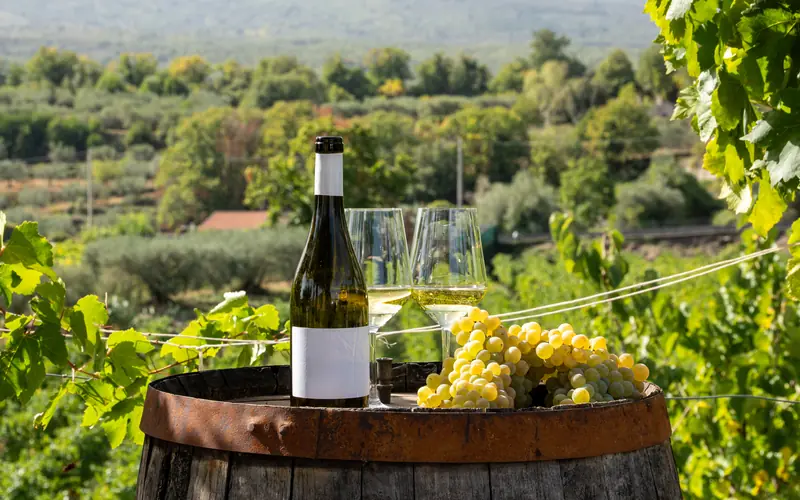
This town is the home of Vino Nobile di Montepulciano, made from 70% Sangiovese, the same grape as Brunello, but bottles run €30-50 vs Brunello's €80-300.
We book lunch at La Grotta di Lippo, in a 14th-century cellar, listen to the chef explain his pici cacio e pepe recipe.
Volterra is 3,000 years old, older than Rome. It was an Etruscan capital before the Romans arrived. Alabaster from Volterra has been carved here since Etruscan times.
Four generations of the same family carve alabaster at Alab'Arte, we bring clients to see the workshop, which is much larger than the souvenir shop out front.
Under the Tuscan Sun made Cortona famous in 1996, yet most tours skip it because it sits outside the classic Tuscany route.
We love Cortona for Piazza della Repubblica at late-afternoon aperitivo. Bramasole, Frances Mayes' house, is 1 km uphill outside town, walkable.
A small town in the heart of Val d'Orcia, population 2,500. Horti Leonini, one of Tuscany's oldest Renaissance gardens, sits open in the town center.
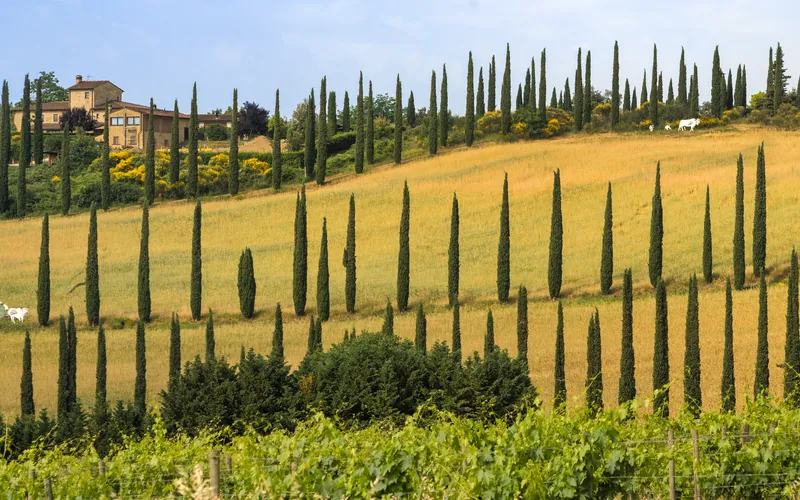
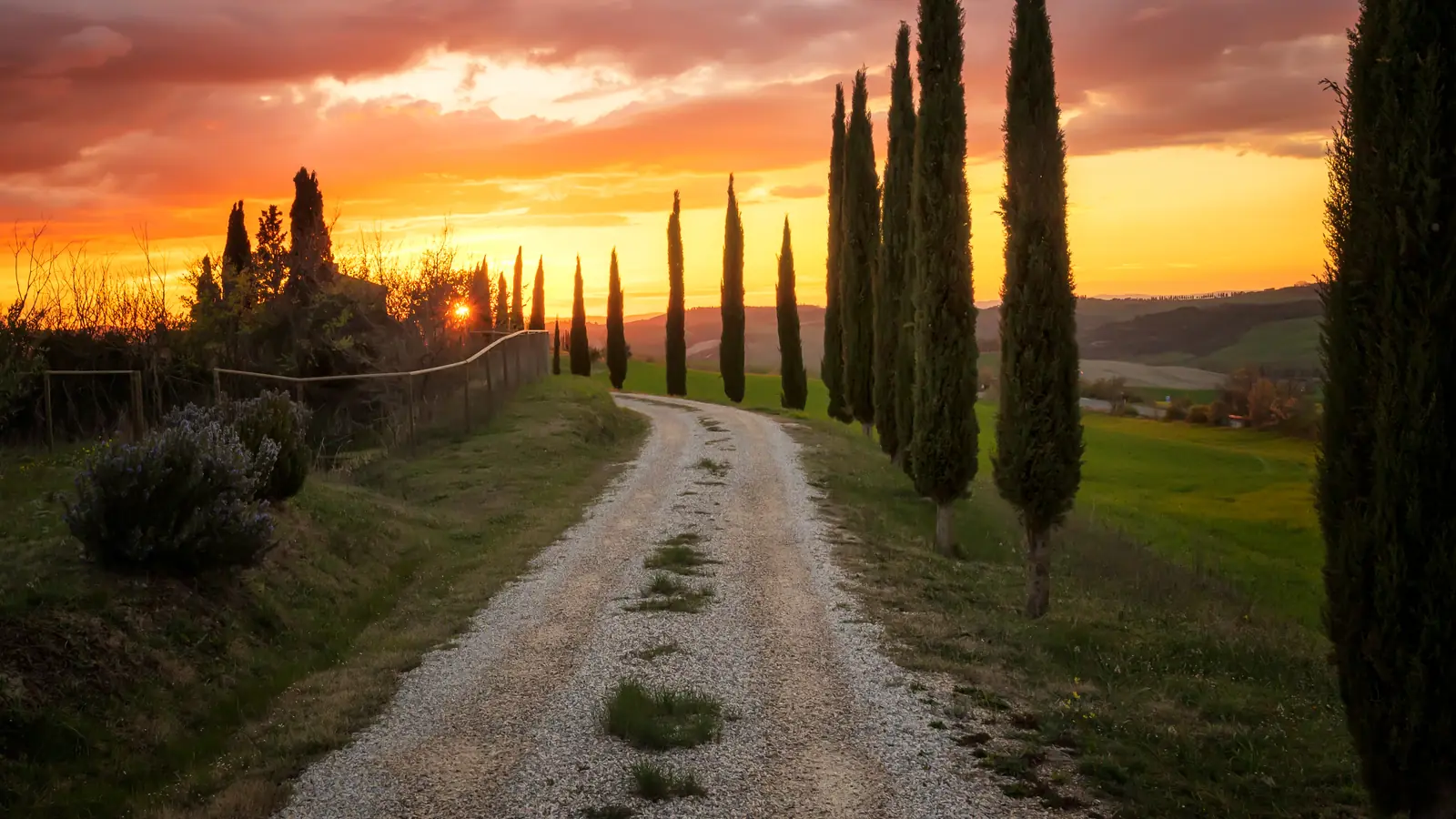
This is the area where the cypress trees on the hill from every Tuscany Instagram shot actually stand. Wanvela brings clients before sunrise, when the gold light hits around 6:30 AM.
"A client complained about crowds on her first Florence trip. The second time, we put her in Val d'Orcia for 5 nights instead. She said this was the Tuscany she'd been imagining." - CAN, founder note
Read next: Tuscany wine regions explained or Castello Banfi review.